

.jpg)
Running a modern business means juggling countless moving parts. You've got orders to fulfill, employees to schedule, costs to track, and deadlines to meet. When your systems don't function in sync, you're essentially flying blind, making critical decisions based on incomplete information.
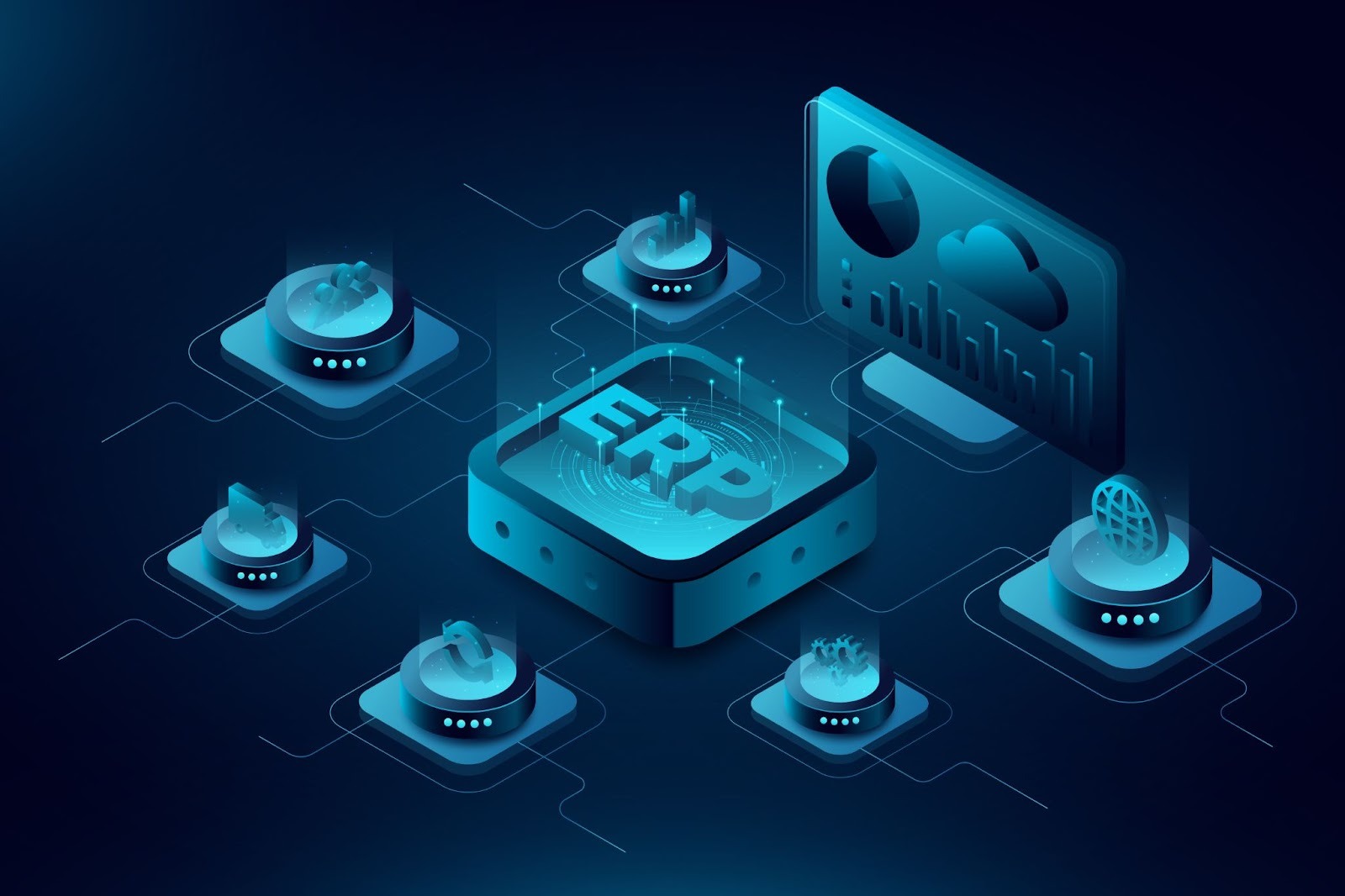
That's where ERP and workforce scheduling integration comes in.
Think of it this way: your ERP system is the brain of your business operations, handling everything from inventory and finances to customer relationships. Your workforce scheduling software manages who works when and where.
When these two powerful systems work together, you get a complete, real-time picture of your entire operation, enabling smarter decisions.
Let's explore how integrating your ERP scheduling software with workforce management tools can revolutionize the way you run your business.
- Real-Time Data Visibility Transforms Daily Operations
When you implement ERP and workforce scheduling integration, your scheduling system captures attendance, tracks employee locations through geofencing, and monitors performance metrics. Meanwhile, your ERP pulls in order volumes, inventory levels, and financial data.
Together, they create a unified view that reveals patterns you'd never spot otherwise.
Here's a practical example: a winter storm hits unexpectedly, affecting your port operations. With integrated systems, managers receive mobile alerts about staffing gaps and can reallocate employees in seconds rather than scrambling for hours. This helps in keeping operations running smoothly even when conditions change rapidly.
Multi-site businesses benefit enormously from this visibility. Executives can monitor global teams with role-based access, ensuring everyone sees exactly what they need without compromising security. Supervisors get actionable insights specific to their locations, while leadership maintains oversight across the entire organization.
- Accurate Cost Analysis Reveals Your True Profitability
How much did that project really cost you? Most businesses think they know, but without workforce planning and ERP system integration, they're probably underestimating expenses by a significant margin.
When your time tracking data flows directly into your ERP ledgers, something remarkable happens. Every hour worked, every overtime minute, every travel reimbursement gets tagged to the right project, department, or client automatically. No more manual data entry errors. No more forgotten expenses that mysteriously appear months later.
This precision matters tremendously for profitability analysis. You might discover that certain shifts in your hospitality operations lose money consistently, or that specific clients require far more labor than you're charging for.
These insights emerge naturally when your systems sync bidirectionally, applying custom dimensions for overtime premiums, skill-based pay differentials, and location-specific rates.
Reduction In Billing Errors
Integrated systems reduce billing errors by up to five times compared to manual processes. This means you invoice clients accurately the first time, accelerating your cash flow by weeks. In multi-entity setups, consolidated reporting across companies flags variances early, supporting both internal audits and investor-grade financial statements.
Automated P&L views tied to labor data eliminate the end-of-month scramble to reconcile hours with expenses, giving everyone time to focus on strategic analysis rather than data cleanup.
- Optimized Resource Allocation Balances Workload and Capacity
Resource planning and scheduling become more effective when your ERP feeds real demand signals into your workforce scheduling ERP system. Instead of guessing at next week's staffing needs, you're matching employees to actual work based on confirmed orders, material availability, and equipment capacity.
This dynamic approach handles complexity quite well. Healthcare organizations need to match staff with specific certifications to patient needs. Manufacturing facilities must align skills with production line requirements.
Construction sites require coordinating multiple trades with overlapping dependencies. Your integrated system manages all these variables simultaneously, optimizing assignments based on employee certifications, personal preferences, and even fatigue risk patterns.
The results speak volumes. Businesses typically prevent overstaffing while ensuring they scale appropriately for peak periods like seasonal logistics surges or special events. Instead of maintaining expensive buffers of idle workers or constantly scrambling during rushes, you match supply to demand with precision.
Advanced systems even run AI-driven simulations testing various scenarios. What happens if a key piece of equipment fails? How do you maintain coverage if three employees call in sick? These what-if analyses ensure you build resilient rosters without relying on human guesswork or unconscious bias.
When the system handles routine optimization, leadership can focus on improving processes, developing talent, and planning for growth rather than manually juggling schedules all day.
- Enhanced Forecasting Accuracy Enables Proactive Planning
Predicting the future gets significantly easier when you blend historical workforce data with broader business trends. ERP integration benefits really shine here, as the combined intelligence of both systems powers forecasting models.
Your integrated analytics engine examines years of scheduling patterns, tracking everything from seasonal absence trends to productivity variations across different shifts and conditions. It combines this workforce intelligence with ERP data on historical sales, supplier performance, market fluctuations, and customer behavior. The result? Machine learning models that predict staffing needs with improved accuracy.
Also, you can preempt labor shortages before major construction phases or special events. Training budgets align with projected skill gaps rather than reacting after problems emerge. Hiring timelines sync with actual growth trajectories, avoiding both the cost of premature hiring and the chaos of being understaffed.
Custom KPIs take this further. Track your labor-to-revenue ratio across rolling 90-day windows, directly connecting workforce decisions to business performance. Set up scenario planning tools that model different growth paths or market conditions, stress-testing your staffing strategy before committing resources.
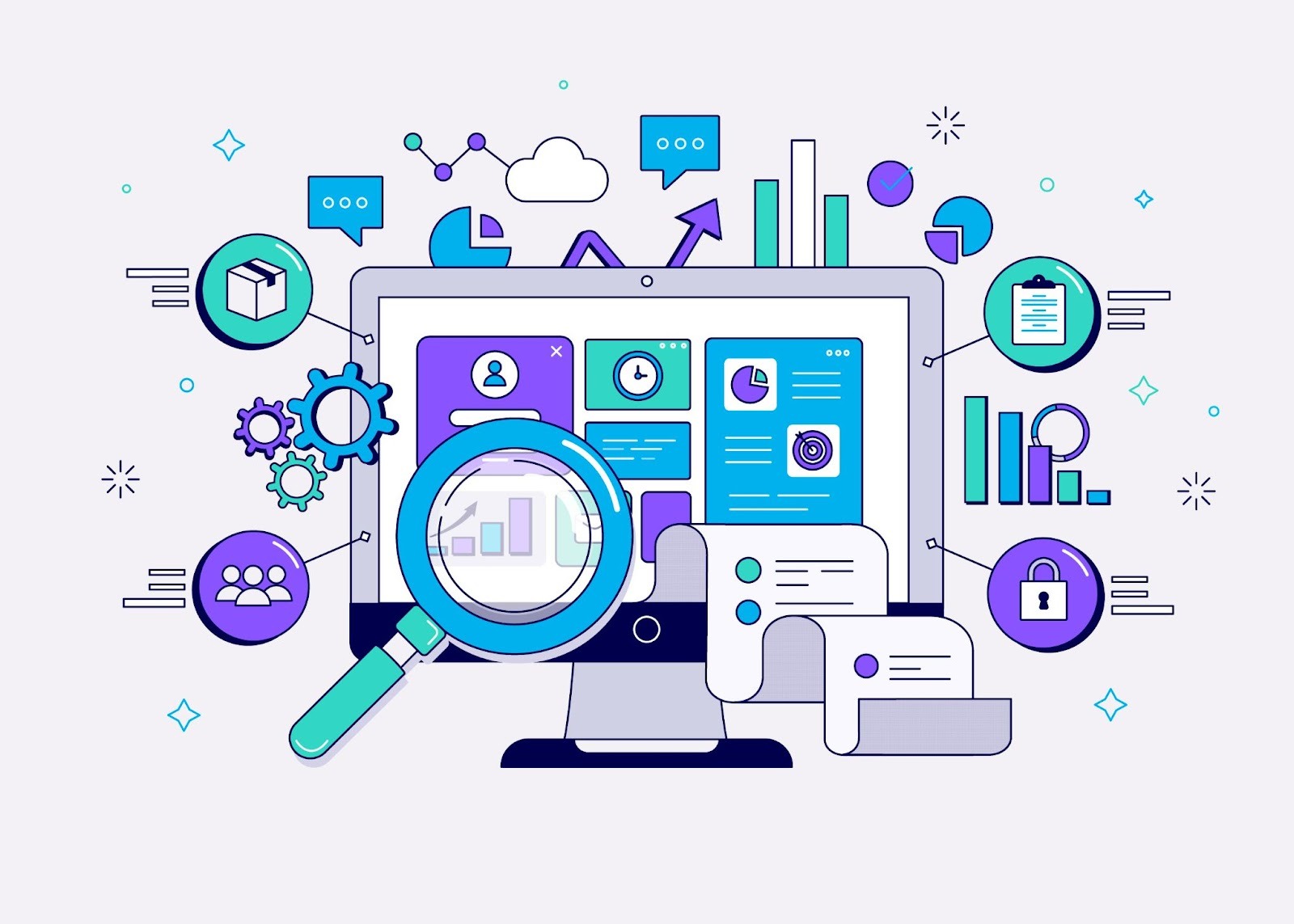
- Compliance and Risk Reduction Protect Your Business
Labor regulations are complicated and constantly evolving. Miss a rest break requirement, exceed maximum hours, let a certification expire, and you're facing fines, lawsuits, or worse. ERP workforce management integration builds compliance directly into your operations rather than treating it as an afterthought.
Embedded rules engines cross-check every schedule against applicable labor laws, union agreements, and industry-specific mandates. Whether it's OSHA requirements for construction sites or HIPAA compliance in healthcare settings, your system flags potential violations before they happen. Auto-generated audit trails document every decision, creating records that satisfy regulators and protect you in disputes.
Real-time alerts handle emergency situations gracefully. A healthcare worker calls in sick, and the system immediately identifies qualified replacements while maintaining required staff-to-patient ratios. No scrambling, no compliance violations, no penalties.
For businesses operating across multiple jurisdictions, the complexity multiplies exponentially. Different states or countries have varying rules on overtime calculations, payroll taxes, and reporting requirements.
Global-scale workforce scheduling ERP integration handles these variations automatically, adapting to local regulations while maintaining centralized visibility and control.
The security extends to documentation as well. Blockchain-style audit logs create tamper-proof records that fortify your defense against disputes while ensuring you can produce required documentation instantly during audits.
Conclusion
Integrating your ERP scheduling software with workforce management tools isn't just about technology; it's about fundamentally improving how your organization makes decisions. Real-time visibility replaces guesswork.
Accurate costing reveals true profitability. Optimized allocation eliminates waste. Enhanced forecasting enables proactive strategy. And built-in compliance protects your business from costly mistakes.
.svg)


.png)


.svg)
.svg)
.svg)
.png)

.png)